My Works BL Contact
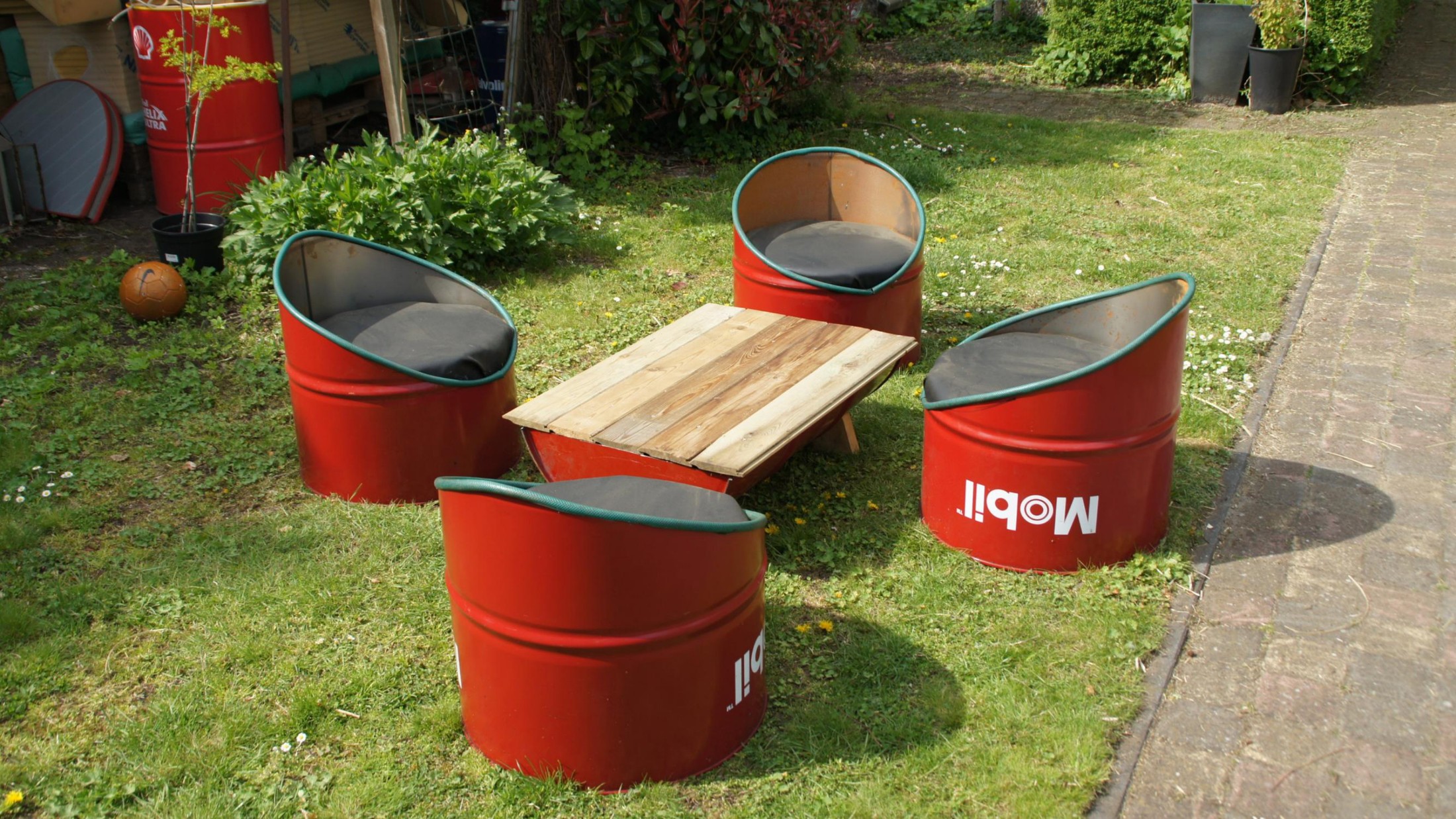
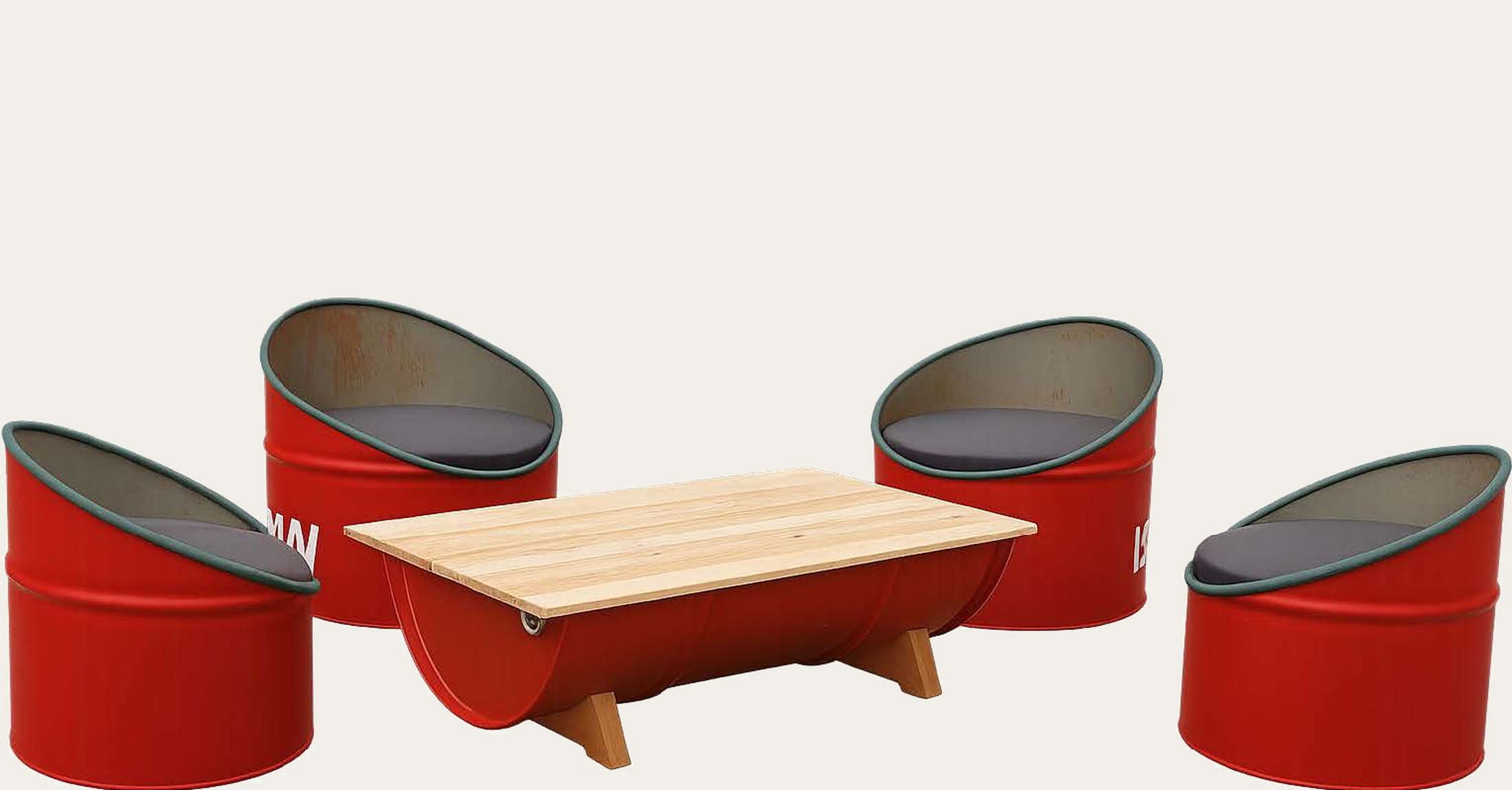
Full garden set: four chairs and a coffee table, all made from upcycled oil drums
Personal project / Upcycling

Ecofriendly Garden Set

A set of garden furniture built entirely from discarded oil drums and reclaimed wood, no strict plan, just materials that were already sitting around, and an instinct for what they could become.
Overview

I started this project because I wanted to work more with discarded materials. It felt important to learn how to use what we already have, especially given how things are going in the world, upcycling is a creative and necessary way to approach design, and I wanted to explore that further.

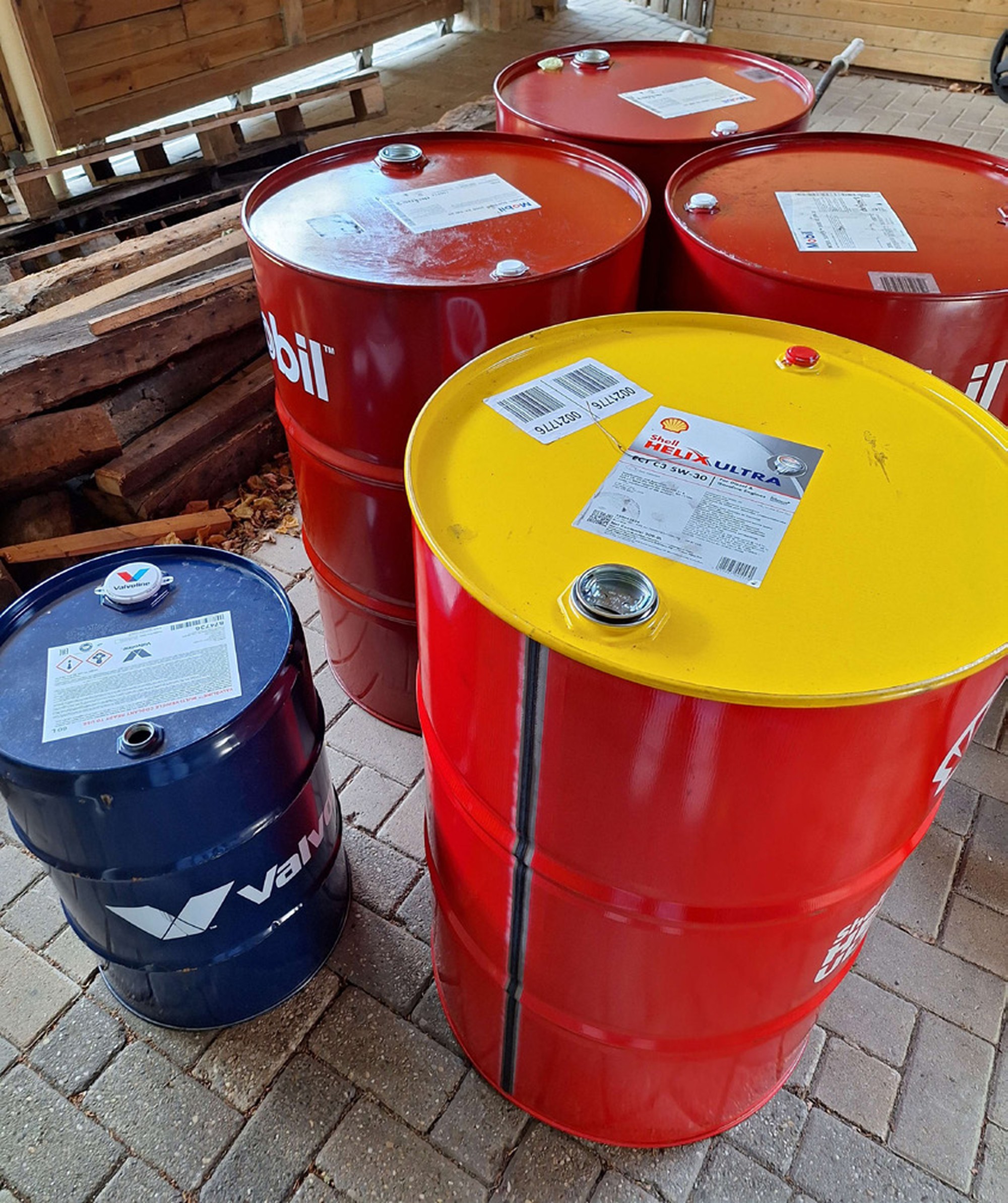
I began by collecting old materials, mainly wood and metal that would otherwise have been thrown away, in this case, a set of used oil drums. After cleaning and sorting everything, I just started building. There was no strict plan; I let the materials guide the process and responded to what they allowed me to do.

That's sustainability and hands-first design working together: building straight from what already existed, with no screen in between, kept the whole set out of the waste stream instead of just talking about it.

Nothing on the finished set hides what it used to be, the drums' original curve and rivet lines are still visible on purpose, material honesty instead of disguising the upcycle as something it isn't.

Details

Type

Garden furniture, upcycled

Materials

Reclaimed steel oil drums, wood

Role

Solo design & build

Approach

Instinctive, material-led

Year

2025

Status

Structure done, refining detail

Process

This project ran in reverse from most: material first, plan second. Click through to see how a stack of used oil drums turned into seating and planters.

01Starting from what's already there

The project began with a search for discarded material rather than a sketch. A batch of used oil drums, Shell, Mobil, Valvoline, whatever had actually been thrown out, became the raw material for the whole set. Working with what's already around felt like a more honest starting point than ordering new sheet material.

02Sketching what a drum could become

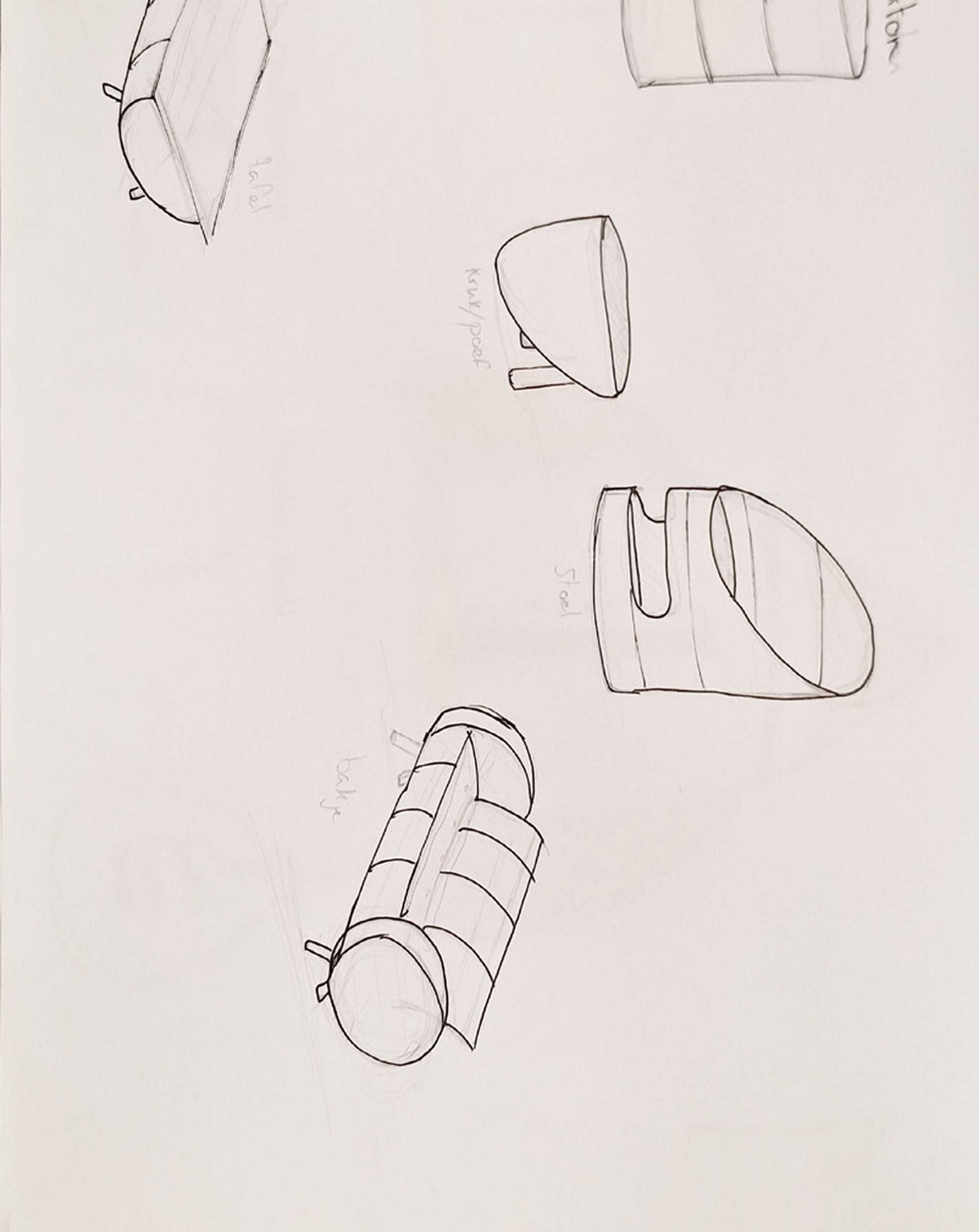
Once the material was in front of me, I sketched out a few directions a cylindrical steel drum could take: a lid, a low stool, a scooped-out chair. The shape of the drum did a lot of the design work already, the sketches were really about finding the cut line, not inventing a new form.

03Cleaning, cutting, dividing

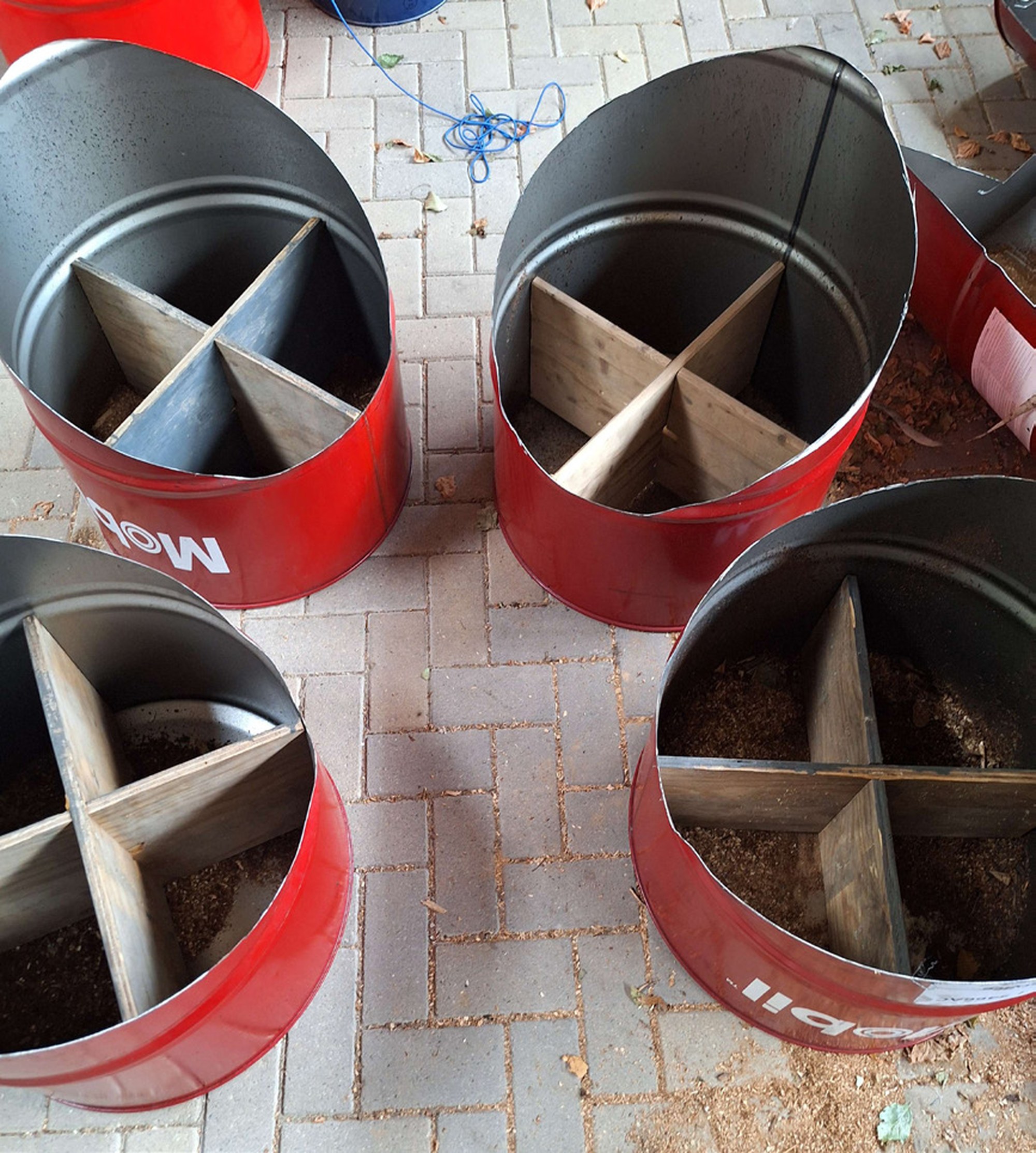
After cleaning the drums out, some were cut at an angle and fitted with a cushion to become chairs. Others were left upright and split into quarters with wooden dividers, turning them into compartmentalised planters, one drum, four plants, no wasted volume.

04Where it stands now

The basic structure is done, and I'm now at the point of refining it, adjusting proportions, adding detail, and polishing the rough edges. It's a hands-on, experimental process, and that's exactly what I like about it. This project was never really about perfection; it's about finding new value in what's already around us.

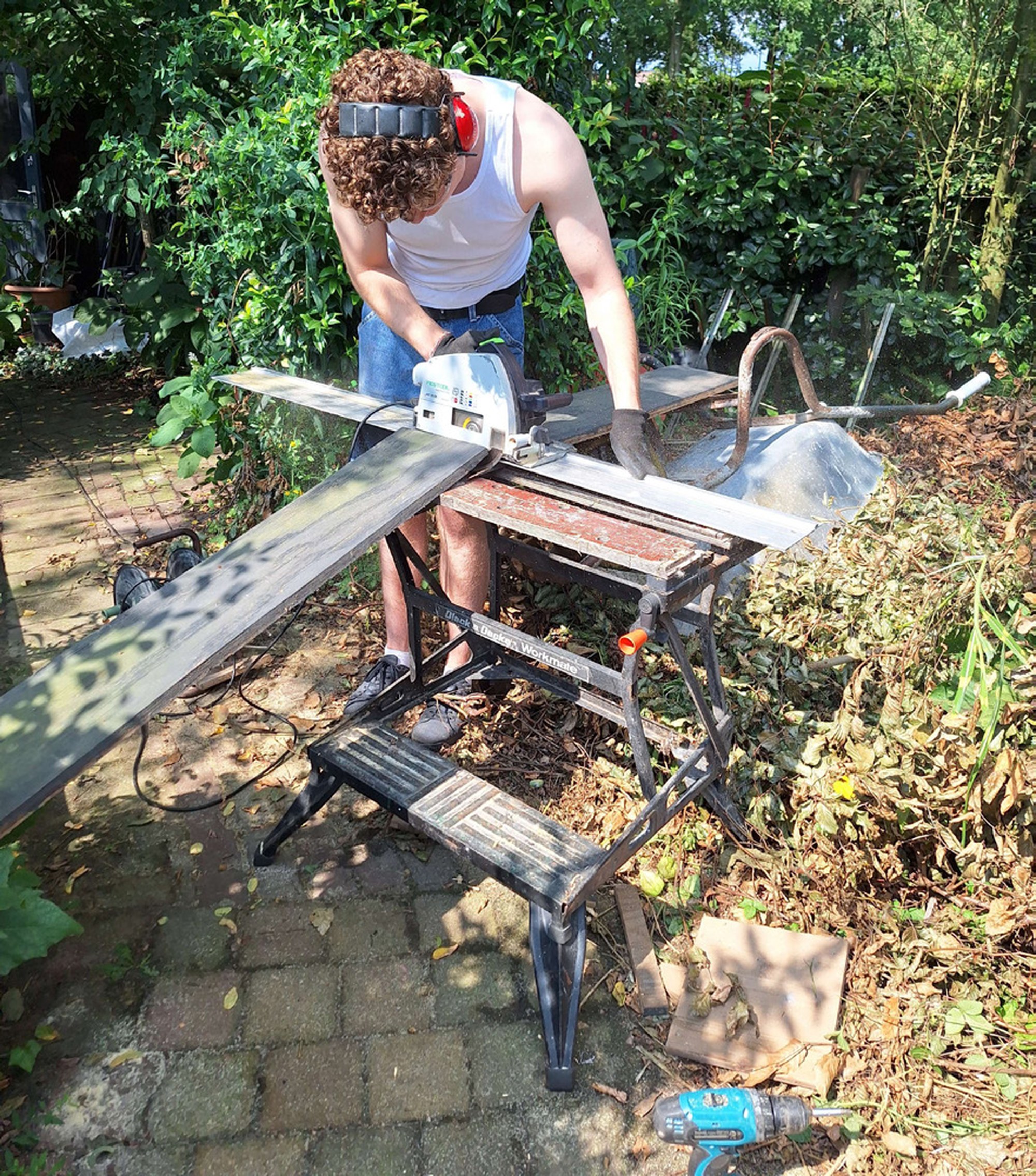
Used oil drums, collected as raw material Early sketches for drum-based furniture Drums cut and divided into planters Building the wooden elements by hand
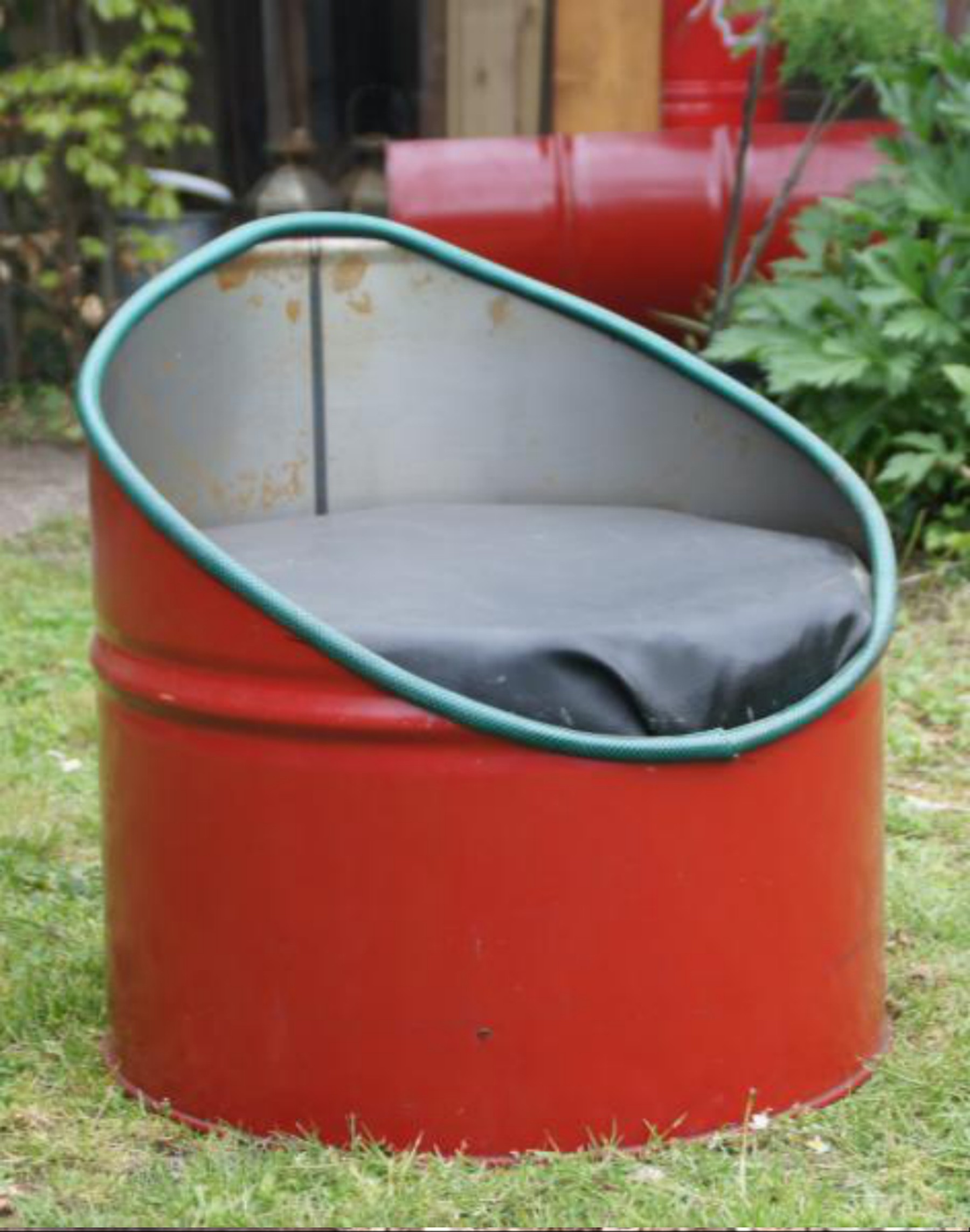
Finished chair made from an oil drum, in the garden

01, One drum, cut one way

The chair is the drum, barely altered

The chair keeps almost all of its steel drum shell, cut at an angle for a backrest, sanded, and fitted with a simple cushion. No cladding, no disguise. The dents and the old paint are left visible on purpose; they're proof of what the material used to be, not a flaw to hide.

Drums divided into planter compartments

02, Same drum, a second function

The rest became modular planters

Drums that weren't right for seating were split into quarters with simple plywood dividers, turning a single barrel into four separate planting compartments. It's a low-effort way to get real modularity out of a material that was never meant to be modular in the first place.

Detail

Under the surface

Three spots on the drum chair worth a closer look, click a marker.

Close-up of the drum chair, showing the rust, cut edge and cushion

Old paint, left visible

The rust spots and worn paint inside the drum are untouched, not sanded away.

They're proof of what the material used to be, not a flaw to disguise.

Cut edge, trimmed safe

The drum is cut at an angle for the backrest, then the raw edge gets a trim so it's safe to touch.

Change only what needs to change to make the material usable again.

Waterproof, made from offcuts

The cushion cover is a waterproof fabric made from leftover material, not something bought new for the job.

It can sit outside in the rain without the seating turning into the one part of the piece that isn't reclaimed.

Gallery

Process & material

The finished set, out in a real backyard
Concept sketches Collected oil drums Drums divided into planters Building the wooden elements